
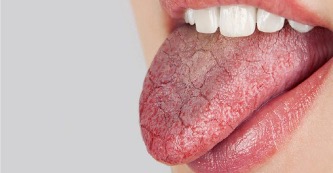
A growing number of people are turning medications like Ozempic, Wegovy, and Mounjaro to aid in weight loss and manage type 2 diabetes. These medications, originally developed to improve blood sugar control, have gained widespread popularity for their ability to reduce appetite and promote significant weight reduction. However, there is a less discussed side effect that is making waves in the dental community—dry mouth, medically known as Xerostomia.
In this issue, we will discuss Dry Mouth, and a new phenomenon called “Ozempic Mouth,” which is raising concerns about its long-term impact on oral health.
What Is Xerostomia?
Xerostomia refers to the condition where the salivary glands in the mouth don’t produce enough saliva. While it may sound like a mild inconvenience, saliva plays a vital role in maintaining oral health. It helps neutralize acids, wash away food particles, aid in digestion, and protect tooth enamel. Without sufficient saliva, the mouth becomes vulnerable to a host of dental problems.
Common symptoms of dry mouth include:
- A sticky or dry feeling in the mouth or throat
- Cracked lips or a dry, rough tongue
- Difficulty swallowing or speaking
- Bad breath (halitosis)
- Increased tooth sensitivity or cavities
The Link Between “Ozempic type” Drugs and Dry Mouth
Drugs like Ozempic work by mimicking a natural hormone that affects areas of the brain involved in appetite regulation. While they are effective in controlling blood sugar and promoting weight loss, these drugs can also slow gastric emptying and impact various glands, including the salivary glands. As a result, some patients report experiencing persistent dry mouth, especially during the early weeks of treatment.
This side effect, now colloquially referred to as “Ozempic Mouth,” is more than just a discomfort. Persistent dry mouth can increase the risk of cavities, gum disease, mouth sores, and oral infections such as thrush. It can also affect taste and make it difficult to enjoy food or speak clearly.
Why This Matters Now
As the popularity of these types of medications continue to rise, dental professionals are seeing more patients reporting dry mouth symptoms. Many of these individuals are unaware that their medication may be the cause—or that their oral health may be at risk.
Tips for Managing “Ozempic Mouth”
If you are using Ozempic or similar medications and experience dry mouth, here are some strategies to protect your oral health:
- Hydrate frequently – Sip water throughout the day.
- Use saliva substitutes or oral moisturizers – Available over the counter in sprays, lozenges, or gels.
- Chew sugar-free gum or lozenges – These can stimulate natural saliva flow.
- Practice excellent oral hygiene – Brush twice daily with fluoride toothpaste and floss daily.
- Schedule regular dental checkups – Early detection of dry mouth complications is crucial.
- Avoid caffeine, alcohol, and tobacco – These can worsen dry mouth symptoms.
As always, speak with both your prescribing doctor and your dentist if you experience persistent dry mouth while on weight-loss medications.
Protecting your smile is an essential part of your overall health journey.
Dr. Kendal V. O. Major is Founder and CEO of Center for Specialized Dentistry which is a comprehensive family dental practice operating in Nassau. He is the first Bahamian Specialist in gum diseases and dental implants since 1989. He also is a certified Fastbraces provider. His practice is located at 89 Collins Avenue, Nassau at (242)325-5165 or [email protected].

See examples of Dry Mouth- cracking, fissures, sticky tongue

See dry tongue, cracking, lacking moisture, easily irritated and bleeds


