
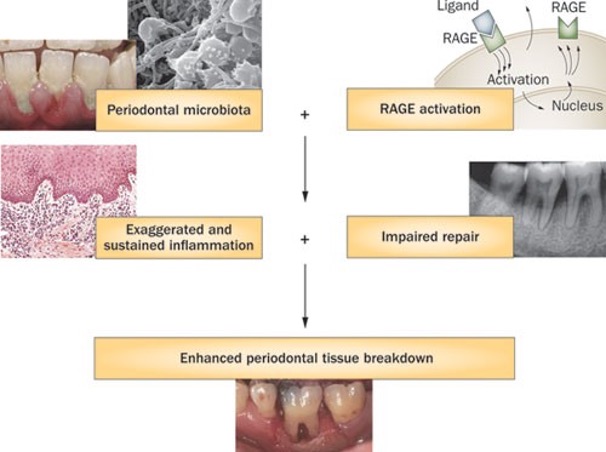
When most people hear the word diabetes, they immediately think of blood sugar levels, insulin shots, and careful meal planning. What often gets overlooked, however, is a critical—and sometimes dangerous—connection between diabetes and oral health. Yet, this hidden link can have serious consequences if ignored.
In this article, we’ll uncover how diabetes affects your mouth, why this connection matters, and how understanding it could dramatically improve both your oral and overall health.
Diabetes, particularly when poorly managed, can significantly impact your mouth, teeth, and gums. Elevated blood glucose levels weaken the immune system, increase inflammation, and reduce your body’s ability to fight infection. This makes the mouth—already full of bacteria—an easy target for complications.
One of the most common oral health problems associated with diabetes is gum disease (periodontitis). High blood sugar can lead to excess sugar in saliva, feeding harmful bacteria that irritate the gums. This causes redness, swelling, bleeding, and if left untreated, gum recession, bone loss, and even tooth loss. In fact, people with diabetes are up to three times more likely to develop severe gum disease than those without it.
Another concern is dry mouth (xerostomia). Diabetes can reduce saliva flow, leading to persistent dryness, discomfort, and difficulty chewing or speaking. Without adequate saliva to wash away bacteria, the risk of tooth decay and fungal infections like oral thrush rises dramatically.
Slow healing is another hallmark of diabetes. This means that after dental surgery, extractions, or even minor wounds, recovery can take longer and be more prone to complications. Uncontrolled diabetes may also increase the risk of oral infections, which can spread and worsen quickly if not managed.
But the relationship goes both ways. Just as diabetes affects oral health, poor oral health can make it harder to control diabetes. Gum infections, for instance, raise blood sugar levels and increase insulin resistance. Treating periodontal disease has been shown to help stabilize blood sugar levels—an important benefit for anyone living with diabetes.
So, what can be done?
First, regular dental checkups are essential. Dentists can detect early signs of gum disease or infection before they become serious. Second, good daily oral hygiene—brushing twice a day with fluoride toothpaste, flossing, and using antibacterial mouthwash—can help protect your gums and teeth.
Third, if you have diabetes, keep your dentist informed. Share your medical history, medications, and blood sugar levels. And, importantly, manage your diabetes effectively through diet, exercise, medication, and regular monitoring.
In conclusion, the mouth is not separate from the rest of the body. For people with diabetes, paying attention to oral health is a vital part of overall health. By understanding this silent but significant link, we can prevent complications, protect our smile, and support our long-term well-being.
Your health begins with awareness—so let your mouth speak volumes about what’s going on inside.
Dr. Kendal V. O. Major is Founder and CEO of Center for Specialized Dentistry which is a comprehensive family dental practice operating in Nassau. He is the first Bahamian Specialist in gum diseases and dental implants since 1989. He also is a certified Fastbraces provider. His practice is located at Collins Avenue, Nassau at (242)325-5165 or [email protected]


