
Most people think of oral health as brushing twice a day and visiting the dentist once or twice a year. While these habits are essential, they don’t tell the whole story. Cavities, gum disease, gingival recession, and chronic bad breath aren’t random occurrences—they’re influenced by a combination of lifestyle choices, daily habits, and even genetics.
In this issue, we will discuss the hidden risk factors behind cavities, gum disease, severe recession and bad breath.
Cavities: More Than Just Sugar
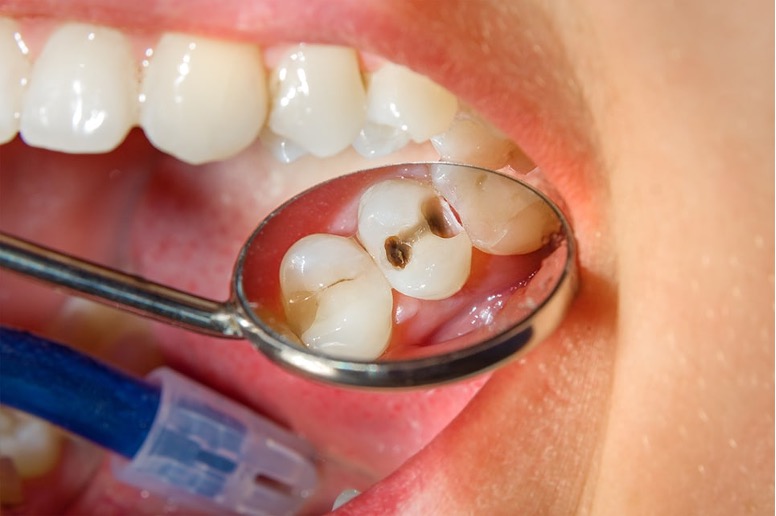
Cavities occur when bacteria in the mouth produce acids that erode tooth enamel. While sugar is the well-known culprit, the real risk comes from frequency of sugar exposure. Constant snacking or sipping sweet drinks creates a steady acid attack on teeth. Other risk factors include poor oral hygiene, dry mouth (from medications or dehydration), and lack of fluoride. Some people, due to the natural shape of their teeth or thinner enamel, are genetically more susceptible to cavities.
Gum Disease: The Silent Threat
Gum disease (gingivitis and periodontitis) is one of the most common chronic conditions in the world. It begins with plaque buildup, but it’s fueled by lifestyle factors such as smoking, stress, and uncontrolled diabetes. Poor oral hygiene is a major driver, but research shows that some people inherit a stronger immune response that makes them more prone to inflammation. Left untreated, gum disease can destroy the bone supporting your teeth—and it’s also linked to heart disease, stroke, and diabetes complications.
Gingival Recession: When the Gums Pull Away
Receding gums expose tooth roots, leading to sensitivity, decay, and an aged appearance of the smile. Common causes include aggressive toothbrushing, gum disease, teeth grinding, and even misaligned teeth. Genetics play a role here too—if you were born with thinner gum tissue, you may be more vulnerable to recession. Prevention comes down to gentle brushing with a soft toothbrush, wearing a night guard if you grind, and treating gum disease early.
Chronic Bad Breath: A Warning Sign
Occasional morning breath is normal, but persistent bad breath (halitosis) often signals deeper issues. Poor oral hygiene, gum disease, and decayed teeth allow odor-producing bacteria to thrive. Dry mouth, caused by certain medications or medical conditions, worsens the problem. In some cases, chronic bad breath may even point to digestive or respiratory issues. Genetics may not directly cause halitosis, but inherited conditions that lead to dry mouth or sinus issues can make it worse.
The Role of Genetics
While lifestyle and hygiene remain the largest controllable factors, genetics set the stage for how vulnerable you are. You may inherit weaker enamel, thinner gums, or an exaggerated inflammatory response that predisposes you to gum disease. This means that even with excellent hygiene, some people require more frequent dental visits and targeted preventive care.
The Takeaway
Oral health is never “one-size-fits-all.” By recognizing your unique risk factors—both lifestyle and genetic—you can take proactive steps to protect your teeth and gums. Daily brushing and flossing, a balanced diet, staying hydrated, and regular dental visits form the foundation. But for those with higher genetic risks, personalized prevention and professional care are crucial.
Your smile is more than cosmetic—it’s a mirror of your overall health. Protect it wisely.
Dr. Kendal V. O. Major is Founder and CEO of Center for Specialized Dentistry which is a comprehensive family dental practice operating in Nassau. He is the first Bahamian Specialist in gum diseases and dental implants sinc e 1989. He also is a certified Fastbraces provider. His practice is located at 89 Collins Avenue, Nassau at (242)325-5165 or [email protected]

Bad breath is more common in persons with dry mouth


See severe cavity in the mirror


