
When we think about breathing, we rarely think about how we breathe—only that we breathe. But the way you breathe—through your nose or your mouth—can make a big difference to your health. Mouth breathing is more common than most people realize, and while it may seem harmless, especially during sleep or strenuous exercise, it can have serious consequences for your health, appearance, and overall well-being.
In this issue, we will discuss the surprising dangers of mouth breathing.
What Causes Mouth Breathing?
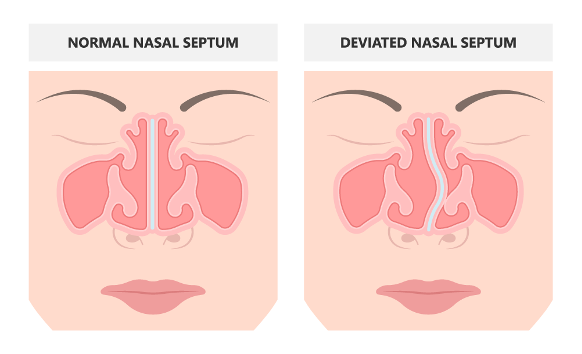
Mouth breathing can be a temporary habit caused by nasal congestion from allergies or colds, but it can also be a chronic condition. Structural issues like a deviated septum, enlarged tonsils, or nasal polyps can block airflow through the nose, making mouth breathing more common. In children, thumb sucking and pacifier overuse can also contribute to this habit.
The Hidden Risks of Mouth Breathing
- Dry Mouth and Dental Decay
Your nose acts as a natural humidifier and filter for the air you breathe. When you bypass the nose, your mouth becomes dry. A dry mouth affects the role saliva plays in neutralizing acids, washing away bacteria, and protecting your teeth. Without it, your risk of tooth decay, gum disease, and bad breath increases significantly. - Poor Sleep and Daytime Fatigue
Mouth breathing during sleep is often linked to snoring and sleep-disordered breathing, including obstructive sleep apnea. These conditions reduce oxygen intake and interrupt sleep cycles, leading to chronic fatigue, irritability, and difficulty concentrating—particularly in children. - Impact on Facial Development in Children
For growing children, chronic mouth breathing can lead to long-term changes in facial structure. It can cause narrow jaws, elongated faces, and misaligned teeth, often resulting in the need for orthodontic treatment later in life. This condition, sometimes referred to as “long face syndrome,” can even affect speech development. - Lower Oxygen Efficiency
Nasal breathing allows the body to produce nitric oxide, a gas that helps improve oxygen uptake and blood flow. Mouth breathing bypasses this benefit, meaning your body gets less oxygen, even if you’re breathing more rapidly. This can negatively affect energy levels, brain function, and cardiovascular health.
What You Can Do About It?
Awareness is the first step. If you or your child habitually breathe through your mouth—especially during sleep—consider a professional evaluation. ENT specialists, dentists, orthodontists, and sleep medicine professionals can all help diagnose the underlying cause.
Treatment options may include:
- Nasal decongestion or allergy treatment
- Use of nasal strips
- Corrective surgery (e.g., for deviated septum)
- Orthodontic intervention to widen the palate
- Myofunctional therapy (exercises to retrain oral posture)
- CPAP devices for sleep-related issues
Final Thoughts
Mouth breathing may seem like a minor habit, but its long-term effects can be surprisingly harmful—especially for children. Protecting your nasal airway and encouraging proper breathing can lead to better sleep, improved oral health, and enhanced overall wellness. Breathing is life—but how you breathe truly matters.
Dr. Kendal V. O. Major is Founder and CEO of Center for Specialized Dentistry which is a comprehensive family dental practice operating in Nassau. He is the first Bahamian Specialist in gum diseases and dental implants since 1989. He also is a certified Fastbraces provider. His practice is located at 89 Collins Avenue, Nassau at (242)325-5165 or [email protected].


